Armor Door
Steel doors are known for their durability and security. However, homeowners sometimes face an annoying issue: a squeaking noise. Many ask, "Why is my steel door making a squeaking noise?" This question is common and often stems from a few simple causes. Identifying these reasons can help in finding effective solutions.
Squeaking usually results from friction between door parts. Metal parts require lubrication to function smoothly. Dust and grime can build up over time, worsening the problem. Regular maintenance is crucial. Ignoring the squeak can lead to more significant issues later.
In addition to lubrication, it is essential to check the door hinges. Misalignment or wear can cause persistent noise. If left unresolved, these factors may impact the door's operation. Understanding how to address squeaks not only improves functionality but also enhances your home's comfort and security. Regular attention to your steel door can prevent minor issues from becoming major repairs.
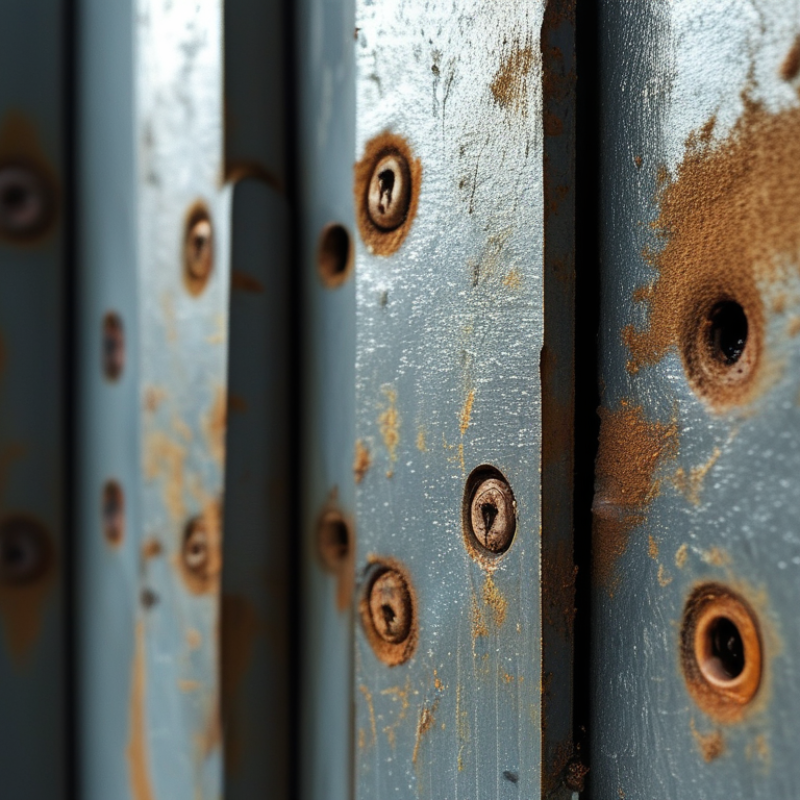
Squeaking in steel doors can be a frustrating nuisance. Understanding the causes of this sound can help in addressing it effectively. Steel doors often contain hinges that can wear down over time. Friction between the door and hinge creates noise. According to industry studies, nearly 30% of door issues stem from poor lubrication or damaged parts.
Another common reason for squeaking is misalignment. When a door is installed incorrectly, it may rub against the frame. This can create a constant squealing sound during operation. Reports suggest that approximately 25% of all door-related complaints involve alignment issues. Regular maintenance is essential to avoid these problems.
Debris can also accumulate in door hinges. Dirt, dust, or rust can hinder smooth movement. It's crucial to clean hinges regularly and apply lubricant to prevent squeaking. Yet, many neglect this basic task. Reflecting on these issues can lead to a more pleasant door operation and extend the door's lifespan.
Dealing with a squeaky steel door can be frustrating. To fix this issue, having the right tools and materials is key. Start with a can of lubricant. This can be silicone spray or even a household oil. Both options work well to reduce squeaking. You'll also need a clean cloth to wipe away excess lubricant. This keeps your door neat and prevents grime buildup.
A screwdriver is essential for tightening any loose hinges. Inspect these closely, as they may cause noise when not secure. If hinges are rusty, consider using sandpaper to lightly buff them. Make sure you have a small brush too, as it helps in cleaning out any debris. These simple tools are often overlooked but can make a big difference.
Lastly, assess the door alignment. If it hangs unevenly, it may scrape against the frame. This can lead to more noise over time. Adjusting the hinges slightly can help realign the door. Sometimes, the simple act of tightening screws or adding lubricant is all you need. Reflecting on these steps might reveal areas for improvement in your door maintenance routine.
Steel doors are durable, but their hinges can squeak over time. Lubricating hinges is a simple task that can eliminate annoying noises. Gather your materials first. You will need a suitable lubricant, a clean cloth, and possibly a pair of gloves. Ensure you pick a lubricant that is designed for metal.
Begin by cleaning the hinges. Wipe away dirt and debris with a cloth. This step is crucial to ensure the lubricant does not trap grime. After cleaning, apply the lubricant. Spray or dab it directly on the hinge pin. Be mindful of excess lubricant. Wipe away any overflow to avoid stains on your door or floor. Move the door back and forth to distribute the lubricant evenly.
It’s important to remember that not all squeaks are the same. If the noise persists despite lubrication, the issue could be deeper. Inspect the hinge for wear or damage. Sometimes, hinges need replacement rather than lubrication. Regular maintenance will help, but don't ignore deeper issues. Listen closely to your door. It might be trying to tell you something important.
Steel doors can develop squeaks over time. Fortunately, there are proactive measures to keep them quiet. Regular maintenance is crucial in preventing future issues.
One preventive step is lubricating the hinges. Apply a quality lubricant every six months. This simple act can significantly reduce friction. Consider using a spray or a thicker grease for best results. Ensure you wipe off any excess lubricant to avoid attracting dirt.
Another effective method involves checking door alignment. Misalignment can cause stress on hinges, leading to squeaking. Adjust the hinges or the door frame if necessary. Tightening screws can also help maintain proper alignment.
Inspecting weather stripping is equally important. Damaged weather stripping can create gaps. These gaps may lead to further wear on the door and its mechanisms. Replace worn weather stripping to maintain a proper seal. Keeping an eye on these details can prevent annoying squeaks.
Persistent squeaking from a steel door can be more than just an annoyance. It often signals underlying issues that may require professional attention. According to a report by the Door and Hardware Institute, around 40% of door-related complaints involve persistent noise. This can stem from misalignment, worn-out hinges, or lubrication failures.
If you hear continuous squeaks even after applying lubricant, it’s time to assess the situation. A door that is misaligned can cause increased friction, leading to more wear. This can create safety risks too. A study in the Journal of Building Engineering highlighted that poorly maintained doors can compromise security and energy efficiency. When noises persist after simple fixes, consider consulting a professional to evaluate the door's condition.
Tip: Regular maintenance can reduce squeaks. Clean hinges and apply a silicone-based lubricant every six months. Check for misalignment by observing how the door closes. A gap wider on one side suggests an alignment issue.
If squeaking persists despite your efforts, call in an expert. They can diagnose intricate problems, ensuring the door functions properly without compromising safety. Don't overlook simple sounds; they can reveal complex issues beneath the surface.
: Clean the hinges and apply a suitable lubricant. This will help reduce annoying noises effectively.
You need a lubricant for metal, a clean cloth, and possibly gloves.
Yes, cleaning removes dirt that could trap grime, ensuring the lubricant works well.
Inspect the hinges for wear or damage. If the noise continues, a deeper issue may exist.
Regular maintenance is recommended every six months to reduce squeaks effectively.
Misalignment increases friction and wear, which can lead to safety risks and persistent noise.
If squeaking continues despite maintenance, a professional can diagnose and resolve intricate problems.
Yes, excess lubricant can create stains on your door or floor, so wipe away any overflow.
Observe how the door closes. A wider gap on one side may indicate an alignment problem.
Yes, some noises can signal deeper issues that require professional evaluation. Listen to your door.
If you've ever wondered, "Why is my steel door making a squeaking noise?" it's essential to understand the mechanisms behind this common issue. Squeaking in steel doors often occurs due to friction between the door's hinges, which can be caused by a lack of lubrication, dirt buildup, or wear over time. To effectively address this problem, you'll need a few essential tools, such as lubricant, cloths, and a screwdriver.
Following a step-by-step guide to lubricating the hinges can significantly reduce or eliminate the noise. Additionally, implementing preventive measures, like regular maintenance and cleaning, can help avoid future squeaking issues. However, if the problem persists despite your efforts, it may be wise to seek professional help to diagnose and resolve underlying issues with the door or its hardware.